the library
A home for creative women.
A place to learn, feel understood, and grow into the writer you’re becoming.

For the Creative Woman Who Feels Deeply
This blog is for the woman who wants to write with more honesty, more clarity, and more confidence -
not by forcing herself to “be productive,” but by understanding her creativity, her emotions, and her inner world.
Here you’ll find:
education that makes you a stronger writer
encouragement that meets you where you are
emotional insight that helps you understand your creative patterns
practical guidance for writing through anxiety, grief, burnout, and self-doubt
nourishment for both your craft and your inner life
Every post is written to help you become a better writer and a more grounded, creative human being.
If you’re here, you’re meant to be.
Welcome home :)
Please, Stay.
Please, Stay.
Let’s Talk About the Writer Who’s Always “Falling Apart”
We really love to romanticize the image of the writer who’s hanging on by a thread. The one who’s exhausted, fueled by coffee and maybe a bagel if they remember to eat, chasing that gritty, tortured‑artist aesthetic like it’s a badge of honor. … The funny thing is—none of that actually made me a better writer. It just made me fall apart.
Why Creative Women Burn Out and 3 Signs It Might Be Happening to You
Creative women carry more than ideas — we carry emotional labor, invisible expectations, and the pressure to be endlessly inspired. Burnout doesn’t arrive all at once; it builds quietly, showing up in your creativity, your body, and your sense of self. This piece breaks down why creative women burn out faster, the early signs you might be missing, and how to reclaim your energy before you lose your voice.
Depression and Writing: Why Writers Feel It Deeper—and How to Cope
Writers don’t just think deeply — we feel deeply. And when depression enters the room, it doesn’t stay at the edges; it seeps into the creative process, the self‑story, and the way we interpret our own worth. This piece explores why writers experience depression more intensely, how the creative brain processes emotion, and the practical ways you can support yourself without abandoning your art.

How to Honor Your Inner World: Emotional Honesty, Sensitivity, and Self‑Trust
If you’ve ever felt too emotional, too intense, or too honest, this is for you. Learn how to understand your inner world, validate your feelings, and build self‑trust without apologizing for who you are.
A Simple Creative Routine That Keeps My Life Together as a Writer and Mother
A gentle creative routine for writers and mothers who want to stay grounded, protect their identity, and keep creating—even in chaotic seasons.

Reclaiming Your Body After Breastfeeding: Identity Shifts, Healing, and Motherhood
When breastfeeding ends, your body doesn’t snap back—it recalibrates. This reflective essay explores the emotional, physical, and identity shifts that come with reclaiming yourself after the last feed.
How to Finally Feel Like a Real Writer (Without Waiting for Permission)
Many writers struggle not with writing, but with believing they’re allowed to be writers. Learn how identity, honesty, and showing up help you finally feel real.
Why You Lost Your Creative Identity (And How to Get It Back Without Burning Out)
Losing your creative identity rarely happens in one dramatic—cinematic—experience. It happens slowly. Creeping into the folds of your mind until it has completely encapsulated your brain. You never notice it at first. You’re just tired. You’re just busy. You’re just trying to get through the day. You’re just too overwhelmed to open the laptop or press the pencil to the page. And then one morning you wake up and realize…
You used to feel connected to your ideas—now it’s distant. You used to feel pulled toward the page—now you avoid it. You used to feel like a person who created things—now you don’t feel excited to do that at all. Now you feel like someone who used to.
When Survival Becomes the Story: Healing, Writer’s Block, and Finding Your Way Back to the Page
For two years, I disappeared—not because I stopped caring about writing, but because I was trying to survive. This essay explores panic, healing, nourishment, and why writer’s block isn’t laziness—it’s a message from a body in survival mode.
How I Found My Shadow‑Soft Aesthetic (and Built My Author Brand)
I didn’t find my aesthetic on Pinterest. I found it buried beneath grief, people‑pleasing, and the version of myself I thought I needed to be to belong. What I eventually uncovered wasn’t gothic or soft, sacred or rebellious—it was something in between. Shadow‑soft. This is the story of how loss, identity, and creativity shaped my personal style, my author voice, and the home I finally built for myself in the grey.

Writing as Self‑Return: Coming Home to Yourself Through Creativity
Writing as self‑return is about coming home to yourself—your voice, creativity, and joy—without pressure, perfection, or the need to be extraordinary.

The Dark Divine by Bree Despain: A Psychological and Spiritual Analysis
Some stories aren’t written to entertain you.
They are written to expose you.
They slip past your defenses quietly, wrapping themselves in familiar tropes and supernatural shadows, only to illuminate the places where faith, longing, and inherited loyalty collide. The Dark Divine is one of those stories.
At its core, Bree Despain’s novel is not about monsters—it’s about the cost of being good. About what happens when the identity you were praised for begins to suffocate you. Grace Divine, the pastor’s daughter and lifelong “good girl,” carries the weight of her family’s morality like a mantle she never chose but cannot remove. Her obedience is mistaken for strength. Her silence, for virtue.
As secrets surface and desire challenges doctrine, Grace is forced to confront a question many of us know too well: What do you do when the faith you inherited no longer fits the life you’re living?
The Dark Divine does not glorify darkness. It dignifies the parts of us shaped by it—the parts we were taught to hide. And in doing so, it speaks to anyone who has ever been loved for their compliance rather than their truth.
The Step Before the Stride: Meredith Hutson’s Journey of Faith, Weight Loss, and Becoming
“Readiness is a luxury most women never receive. And that’s okay.
For women like Meredith – women like us – who were shaped by survival, not strategy, readiness was never the starting point. It was the mirage.
Because readiness is not what moves a woman forward. Willingness is.”
The 5‑4‑3‑2‑1 Grounding Technique: How to Calm Anxiety, PTSD, and Panic Naturally
Discover how the 5‑4‑3‑2‑1 grounding technique helps calm anxiety, panic, and derealization by reconnecting you with your five senses and the present moment.
Weight Loss Was a Side Effect: How Gensgym Helped Me Heal My Mind and Body
Awake at 2 a.m. and drowning in postpartum depression, I never imagined a single scroll could change my life. This is the story of how choosing self‑respect over punishment—and joining Gensgym—helped me heal my relationship with food, movement, and myself. My “day one” didn’t just start a fitness journey. It saved my life.
The Truth About Becoming a Serious Writer—and Who Not to Tell
Being a serious writer isn’t just about putting words on a page—it’s about claiming the identity, protecting your dream, and choosing wisely who gets access to it. If you’ve been quietly writing, waiting for the “right time” to speak up, you may be doing more harm than good. Sharing your goal with the right people can build confidence, momentum, and accountability—but telling the wrong ones can drain your energy before your story ever has a chance to grow. In this guide, you’ll learn how to step fully into your role as a writer, build supportive habits, and decide exactly who deserves to hear about the work you’re bringing into the world.
Finding Your Voice: Healing Silence, Speaking Truth, and Coming Home to Yourself
After years of silence, finding your voice can feel impossible. This piece explores how to reclaim your truth, trust your words, and come home to yourself.
Shine a Light While We Write: Stress, Survival Mode, and the Creative Brain
When stress becomes our constant companion, creativity doesn’t disappear—it goes quiet.
Survival mode narrows our world to what must be endured, not what can be imagined. Our bodies flood with urgency, our minds focus only on the next threat, and the part of us that once dreamed, created, and wrote freely slips into the background. This isn’t a failure of discipline or talent. It’s biology doing what it was designed to do—protect us.
For writers, this can feel devastating. Writing is where we breathe, where we feel most like ourselves. When the words won’t come, it can feel like losing a part of our identity. But feeling stuck is not proof that you’re broken—it’s evidence that your nervous system is asking for care. Through small, gentle practices and honest self-compassion, we can guide ourselves back from survival into safety, from tension into flow, and slowly—one breath, one word at a time—find our way back to the page.
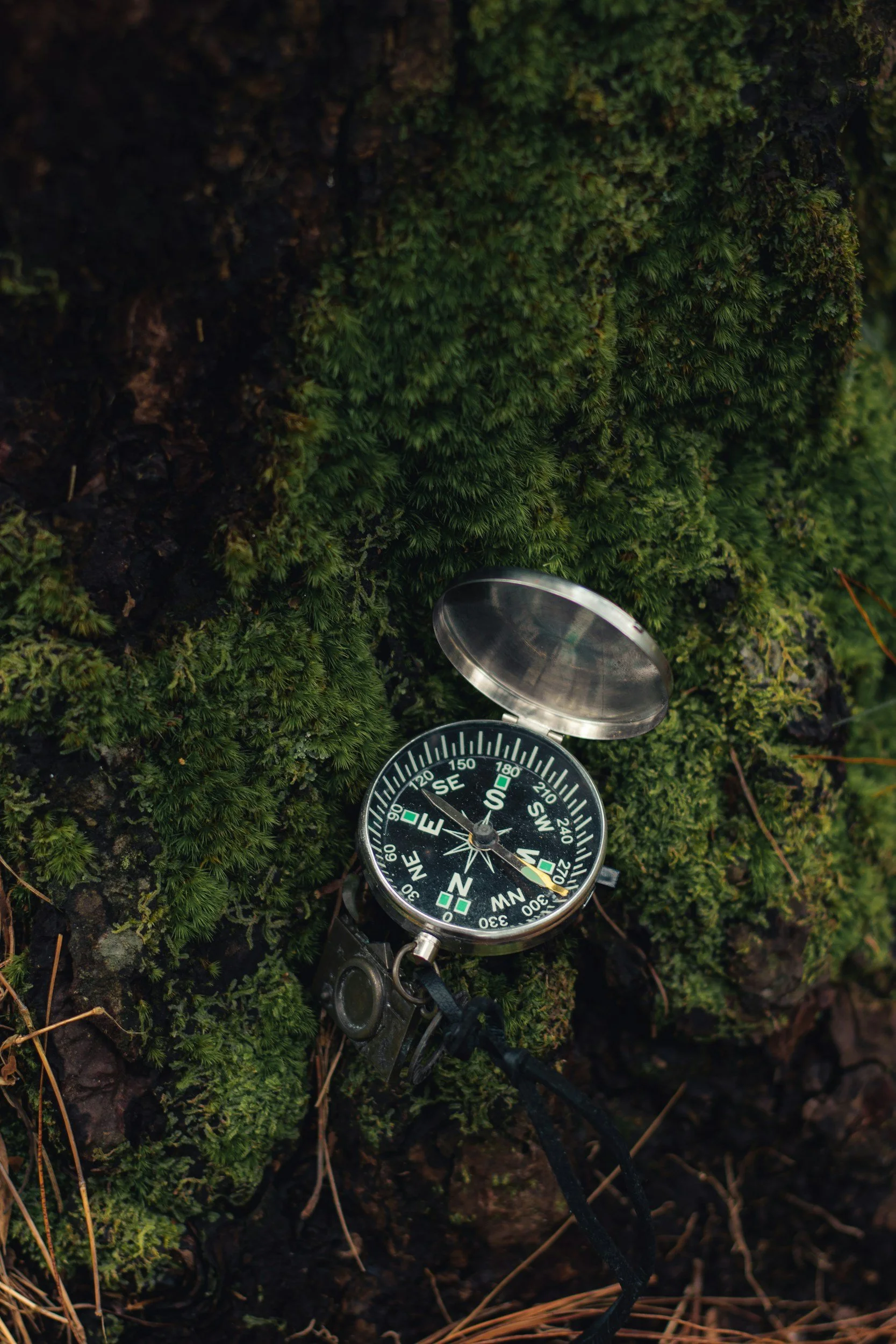
This Is the Way: Finding Divine Guidance Through Isaiah 30:21
There is a kind of guidance that does not announce itself loudly. It does not rush you or demand certainty. It waits until you are already moving—already trying—then meets you there. Isaiah 30:21 speaks to that sacred in‑between, the place where obedience feels quieter than fear and trust feels fragile but real.
The voice does not come from ahead, urging perfection. It comes from behind, close enough to reassure you that you are not walking alone. It reminds you that alignment is not found in knowing every step, but in listening as you take the next one.
This verse is not about getting it right the first time. It is about companionship. About a God who does not say, “Figure it out,” but gently whispers, “I will show you.”