How to Finally Feel Like a Real Writer (Without Waiting for Permission)

Why So Many Writers Don’t Feel Like “Real” Writers
There’s a strange tension that lives in people who write.
You can feel the pull toward the page—steady, insistent, familiar—and still hesitate to call yourself a writer.
It’s that some part of you keeps waiting for proof, for permission, for a moment that finally makes it “real.”
And yet, if you’ve ever sat with a blank page and felt both longing and fear rise in your chest, you’re already closer to being a writer than you think.
That quiet ache?
That instinct to shape meaning out of your own life?
That’s the beginning of every writer’s story.
What you’re missing isn’t talent or legitimacy.
It’s identity. It’s confidence. And those two together breed something that births every writer.
That will birth you.
And these four principles will help you step into the truth you’ve been circling for years:
You are a writer, and it’s time to finally feel like one.
The Biggest Lie About What Makes Someone a Writer
Most writers don’t struggle with writing—they struggle with believing they’re allowed to call themselves writers.
There’s a cultural myth that you must earn the title through external validation: a book deal, a platform, a certain level of polish or productivity.
And although I see several writers attempting to turn the tide I also do see that validation is still sought out through follower count and engagement.
It’s a marketing thing.
And that can be grimy and annoying.
But keep in mind it is not the line.
Because a writer identity doesn’t arrive through achievement.
It arrives through recognition—of your own.
You become a writer the moment you begin to trust the voice inside you and I’m not just trying to be wishy washy about this.
I’m just being honest.
And honesty honestly sounds just like that sometimes or mean.
So, without further ado here are the four principles that will help you finally feel like a “real” writer.
Principle One: Real Writers Pay Attention Before They Produce
Writing begins long before words hit the page.
It begins in the way you notice the world.
Writers see:
· The shift in someone’s eyes when they’re holding back emotions
· The way light pools on a kitchen floor at 4 p.m.
· The tension in a conversation that never gets resolved
· The small, holy details most people rush past
This sensitivity isn’t a flaw. It’s your instrument.
When you honor your noticing as part of the creative process, you stop believing you’re “not doing enough.” You realize you’ve been writing internally for years.
Building—honing that craft.
And you do so well at it.
Keep it up.
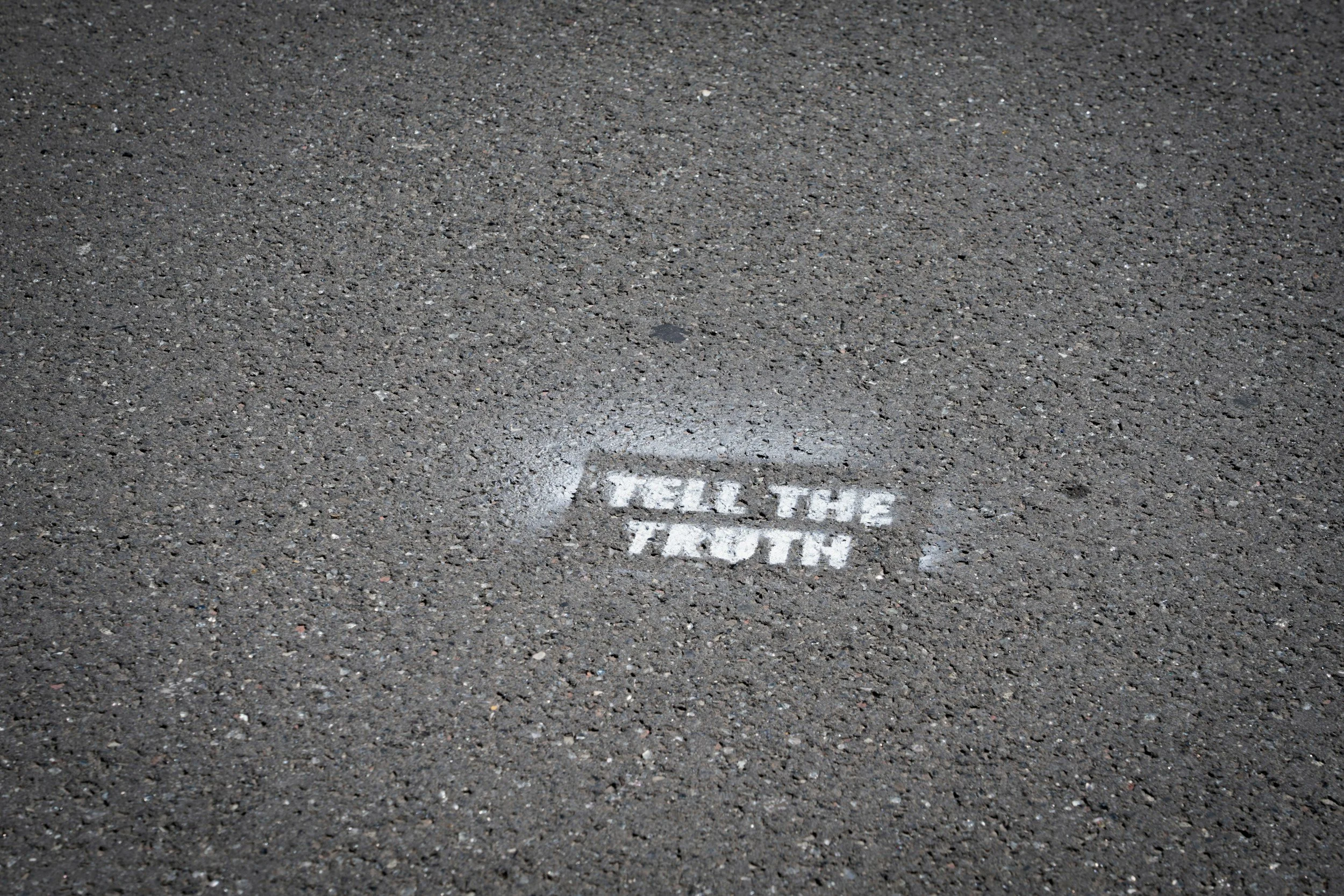
Principle Two: Writers Tell the Truth, Not the Performance
You don’t become a writer by sounding like a writer.
You become a writer by telling the truth—being honest.
Not the curated truth, not the polished.
No.
The truth that feels slightly dangerous to say out loud.
When you write from that place, imposter syndrome loses its grip.
You’re no longer performing a role—you’re revealing a reality.
A truth-telling is the heartbeat of every real writer.
It’s like when you are in peak flow.
You’re talking about something you’re passionate about imposter syndrome is not welcome—does not even dare to come near you when you write and talk like this.
A simple practice:
Write one paragraph today that tells the truth you’ve been avoiding. Not for the world. For you. Write the heart of your story. The meaning you of your life. What you believe your purpose is.
This is your truth. This is what makes you a “real” writer.

Principle Three: Writers Create Before They Feel Ready
Confidence does not precede writing. It follows it.
Every writer you admire began before they felt prepared.
They wrote badly.
They wrote inconsistently.
They wrote drafts that embarrassed them and pages they wish they could have burned.
Some did. I’m sure of it.
But they kept going.
Identity forms through repetition.
Every time you choose creation over hesitation, you reinforce the truth:
I am a writer because I write.
Not because you’re perfect, Instagram worthy, or published.
It’s because you show up.

Principle Four: Why Claiming “I Am a Writer” Changes Everything
Identity becomes real when you name it.
Sort of like a “fake it til you make it” mindset.
And while this might linger on the fine line between delusional and helpful, it does have benefits when it comes to the brain.
When you say “I am a writer,” your brain latches onto that.
Especially when you say it every day and mean it.
This isn’t bragging or overreaching.
This is real science-based brain hacks.
You’re acknowledging the truth of who you’ve been all along and pushing past self-doubt. Rewiring the thought process and no longer feeding that negativity.
So say it out loud and say it often.
Let the words feel awkward until they don’t.
Let yourself cringe and feel weird until it becomes all that it has always been.
Truth.

How to Finally Feel Like a Real Writer
These four principles—paying attention, telling the truth, creating before you’re ready, and claiming your identity—work together to close the gap between who you are and who you believe yourself to be.
You don’t need permission to be a writer. Never did.
You don’t need credentials. Because they don’t beat experience.
You don’t need to wait for the world to validate you. Not at all.
You only need to trust the voice that keeps returning to the page.
Your voice.
You are the writer.
You always have been.
A thousand followers or one.
The count doesn’t matter.
Just what you say, how you feel and who you believe you are.
Now it’s time.
Feel like a “real” writer yet?
Oh wait, my bad.
You already were.
