Shine a Light While We Write: Naming the Quiet Grief That Holds Writers Back

Welcome
Welcome, friends, to Shadow and Scriptures, and today we are starting a new series that I call, “Shine a light while we write” a soft space for writers carrying heavy things.
Here, your grief is not too much.
Your exhaustion is not a flaw.
Your anxiety is not a failure.
This is where we honor the truth of your season and slowly find our way back to ourselves, one breath, one word, one small moment at a time.
If you’re hurting, overwhelmed, or simply trying to keep going, you’re not alone.
Let’s take a deep breath together… and lets begin.

What is Hurting You?
No one person is the same today as they were yesterday.
Being a writer, we are different faces, we experience all identities at once. We transition from character to character with ease and precision, but when it comes to the real world, why can’t we do that same thing?
Why can’t we do as this as easily?
I’ll tell you my thought as to why.
After years of identity loss, anticipatory grief, emotional burnout I’ve come to the understanding that I just can’t accept turning into someone else.
I grieve the person I used to be.
Each year that passes, each day honestly that I’m not a published author or accomplished in the goals I pursue, I feel like I have failed the child, the teen, the young adult I was.
I didn’t allow her the chance to feel accomplishment because of my shortcomings, my breakdowns, the heavy weight of the worlds I was holding on my shoulders, and the burdens that clung to me, some not even mine.
The fact that you are able to keep each character in your story individual and unique isn’t just talent, it was a survival technique.
Let me tell you about the quiet grief you don’t talk about.
The story between the lines you write.
Lets talk about naming what is hurting you and how that is hurting your dreams, your story, and yourself.
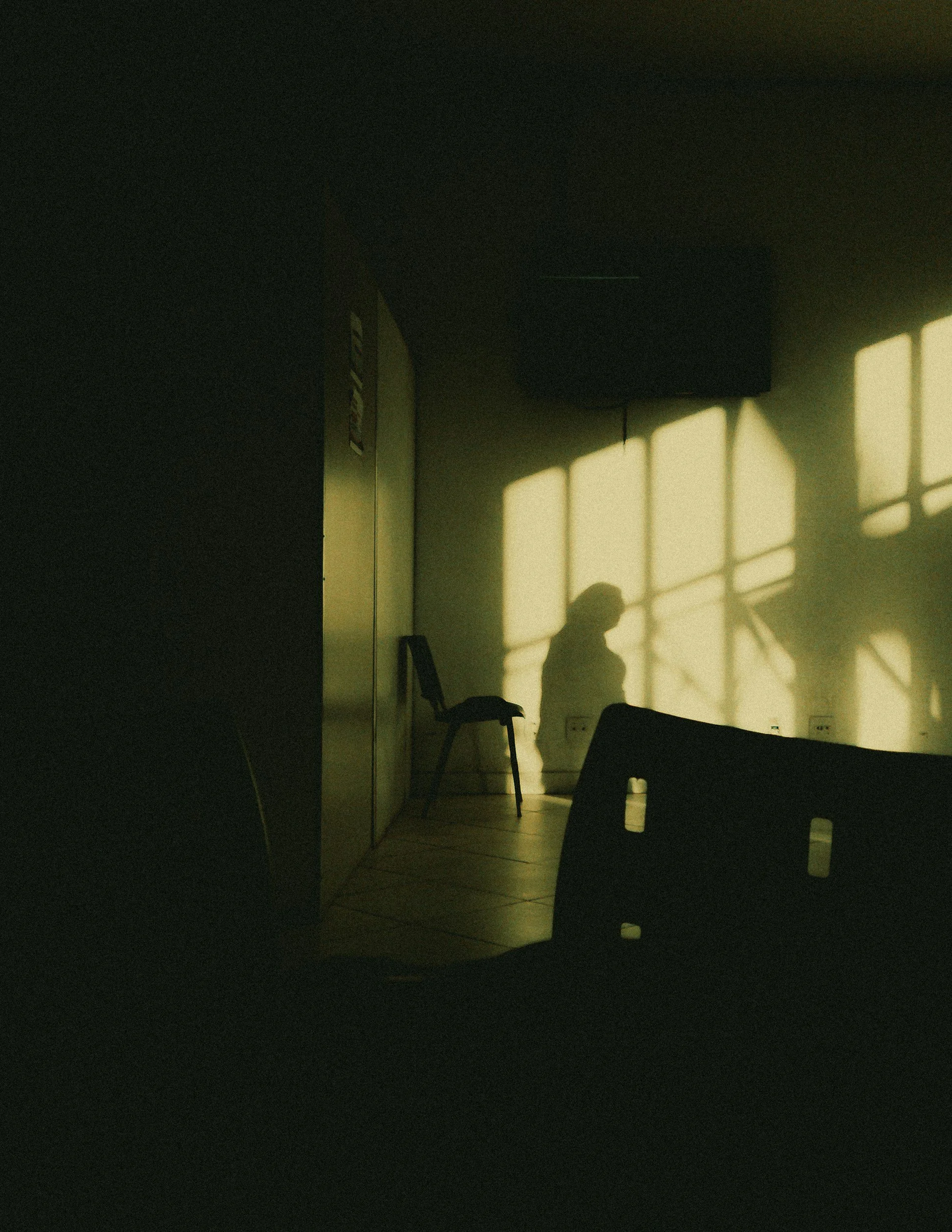
Choose Your Character
Breaking down exactly which character you most resonate with is crucial in knowing what direction you need to go next in order to start making progress and building that dynamic character development that shatters the glass ceilings and echoes through time.
1. Identity Loss
Identity loss for writers often means feeling disconnected from your sense of self – both as a creator and as a person. This usually happens after major life changes, trauma, or long periods of creative pauses. You might feel like you’ve lost touch with the enthusiastic whimisical writer whos pen burned through each page with passion and urgency. Enveloped in the emotions of passion and joy. You also feel that your new role (parent, caregiver, professional, lover) has overshadowed your creative identity.
How it shows up:
· Feeling like a stranger when you read your work or hear your voice
· Questioning your worth or purpose as a writer
· Struggling to reconcile who you are now with who you used to be
· Experiencing confusion, alienation, or a sense of emptiness
2. Anticipatory Grief
Anticipatory grief is the emotional pain you feel before an actual loss occurs. For Writers, this might mean mourning the loss of a dream, a creative season, or even a version of yourself you fear is slipping away. It’s common when you sense change coming such as a major life transition, then end of project, or the fading of creative energy.
How it shows up:
· Waves of sadness, anxiety, or overwhelm before a loss actually happens
· Feeling a pronounced pause while life moves on around you
· Grieving not just people, but lost opportunities, stability, or identity.
· Emotional exhaustion form anticipating what’s to come
3. Emotional Burnout
Emotional burnout is a state of chronic exhaustion mentally, physically, and creatively. It’s more than just writer’s block. It’s a deep depletion that makes writing and sometimes living feel impossible. Burnout often follows periods of relentless pressure, perfectionism, or emotional labor.
How it shows up:
· Feeling drained before you even start writing
· Cynicism, detachment, or loss of passion for your craft
· Physical symptoms like headaches, insomnia, or fatigue
· Reduced creativity, missed deadlines, and self-doubt

The Affects of Your Identified Grief
Now that you have identified which one you most embody you have finally taken a hard hold of those reigns.
Becoming aware of where the problem lies gives you the best advantage. Such as doctors identifying exactly what is making you sick, they can give you the proper treatment in order to start to heal you.
Congratulate yourself. This is the moment you turn your weakness into power.
Identity Loss
identity loss can stall your creative progress, but it’s also a powerful catalyst for character development—both in your stories and in your life. Writers who explore this theme often find new depth and authenticity in their work, as they reclaim action and redefine themselves on their own terms.
Anticipatory Grief
Naming and honoring anticipatory grief lets you face change with courage. By acknowledging your feelings, you prepare yourself for what’s ahead and open the door to new meaning, hope, and creativity. Instead of being overwhelmed, you can ask empowering questions and discover that what once felt like an ending might actually be a new beginning.
Emotional Burnout
Burnout signals that your current approach isn’t sustainable. Recognizing it early allows you to set boundaries, seek support, and rebuild a healthier relationship with your writing. Recovery isn’t just about rest—it’s about redefining your creative rhythm and reconnecting with what brings you joy.

Gentle Practices for Finding Hope While in Grief
No one wants to see the light when all you want is to be surrounded by the dark.
You’ve had enough tried.
You’ve had enough of trying to be strong, trying to be stable, trying to be all that you can be. You just want to be swallowed up—embraced by something so numbing and unstimulating because as a creative person, more than likely you were led down this path trying to escape the life you were living.
The noise. The shaking. The panic. The realization of what was actually going on around you.
I don’t mean to shed light on such a sensitive subject, but I know as writers, we don’t talk too much. We let the words on a page metaphorically, and poetically scribe a hidden message that can only be read between the lines.
We hope that people will read them one day. Our pain. Our past.
We want to publish not for fame, but for the sake of feeling connected to others.
Writing is our silent cry.
Writing isn’t escapism.
No.
Writing is not running from the problems. It’s facing them head on without a kind word that inflicts the force of a thousand fists.
I will never allow the grief to pull me in and nor should you.
Here are gentle practices for finding hope while in grief:
1. Notice Small Glimmers of Goodness
Even in difficult days, look for tiny moments of comfort—a favorite song, a kind word, or the warmth of sunlight. These small glimmers remind you that hope is present, even if it’s quiet.
2. Let Yourself Rest and Recharge
Rest isn’t a sign of defeat: It’s a way to nurture your strength. Allow yourself breaks, knowing that each pause is a small step toward renewal.
3. Reach Out for Connection
Share a moment with someone you trust, even if it’s just simple hello or a shared silence. I once met a dear friend of mine, whom I profusely apologized to because I had nothing to talk about and my friend said these words that will forever be engraved in me, “We don’t have to talk. You’re fine. It’s nice to just sit in silence with someone you enjoy.” Connection can bring unexpected light and remind you that you’re not alone.
4. Create Simple Rituals of Care
Don’t follow the influencer who gets up at 5am and does everything and more before the day even starts. They are not you. They live a different life. Do what helps calm you. Light a candle, write a few lines about how you feel, or take a walk without a thought. These gentle rituals can help you honor your feelings and mark each day with hope and as a victory.
5. Celebrate Small Wins
Every small step is a victory. Seriously. Getting out of bed, making a meal, or writing a sentence is progress. Celebrate those moments. There was a time I couldn’t even bare to do any of these. So I feel you my friend. Celebrating these moments shows your brain that these are signs of resilience and possibility.
6. Allow Joy to Visit
Let yourself smile or laugh even when it happens in the midst of grief. I know this sounds odd but during these hard moments you might see joy as betrayal of your feelings, but it is not. It is a companion on your journey back to hope. Back to you.
7. Remind Yourself: This is a Season
Grief is part of your story, but it’s not the whole story. Healing unfolds slowly. It is the best part of the novel. The character rises from the ashes and is born anew. This is when you realize who you really are and what you are truly capable of. This is a season not a permanent situation.

If You Can’t Trust Your Tongue, Trust Your Words
Sometimes, speaking feels impossible—grief, anxiety, or uncertainty can make it hard to find the right words aloud. But your written words are always there for you. When your voice falters, let your pen carry what your heart cannot say. Writing gives shape to your feelings, offers clarity in confusion, and becomes a gentle companion through difficult seasons. Even when you can’t speak your truth, you can write it—and in those words, you’ll find understanding, connection, and hope.
The Light Will Shine on You Once Again, Friend. A Promise I Can Make You.

One Last Word Until Next Time
Lastly, thank you for being here, for reading and for allowing yourself to feel what you feel in this very moment.
Healing isn’t always linear, and you don’t have to rush your way through the dark for fear of never seeing the light again.
Every small act or care, every quiet breath, every moment of honesty is a step forward.
As you move through the rest of your day or even get ready for sleep, remember that you are not alone.
Your light is still there. That small ember continues to burn steady, quiet, and waiting.
I’ll meet you here again soon.
Until then, one moment at a time.
Much love, healing, and room to breathe.
Angela.
